Please wait while we open this resource.


K

Clinical reviews
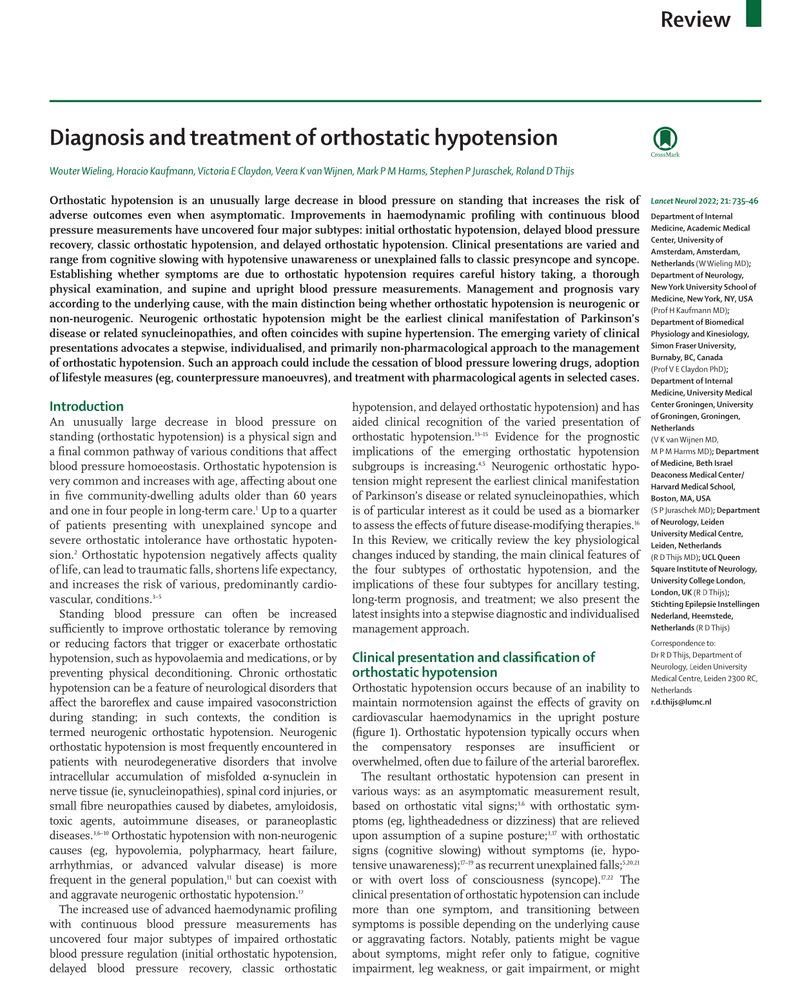
DIAGNOSIS AND TREATMENT OF ORTHOSTATIC HYPOTENSION
Wouter Wieling, Horacio Kaufmann, Victoria E Claydon, Veera K van Wijnen, Mark P M Harms, Stephen P Juraschek, Roland D Thijs
PDF202212 pages1.7 MB
Orthostatic hypotension is a condition that can lead to serious adverse outcomes, even in the absence of symptoms. The document outlines four major subtypes of orthostatic hypotension and highlights the need for careful assessment through history taking and blood pressure measurements. Management strategies are tailored based on whether the condition is neurogenic or non-neurogenic, with a focus on lifestyle modifications and specific treatments for different patient needs.
Sign in to open
Ask this resource
Answers use this document only.
Your first question is free.
More like this
Resources from the same specialty and type. Curated links will replace these when added.
Clinical Resources
Documents that extend or complement this resource.
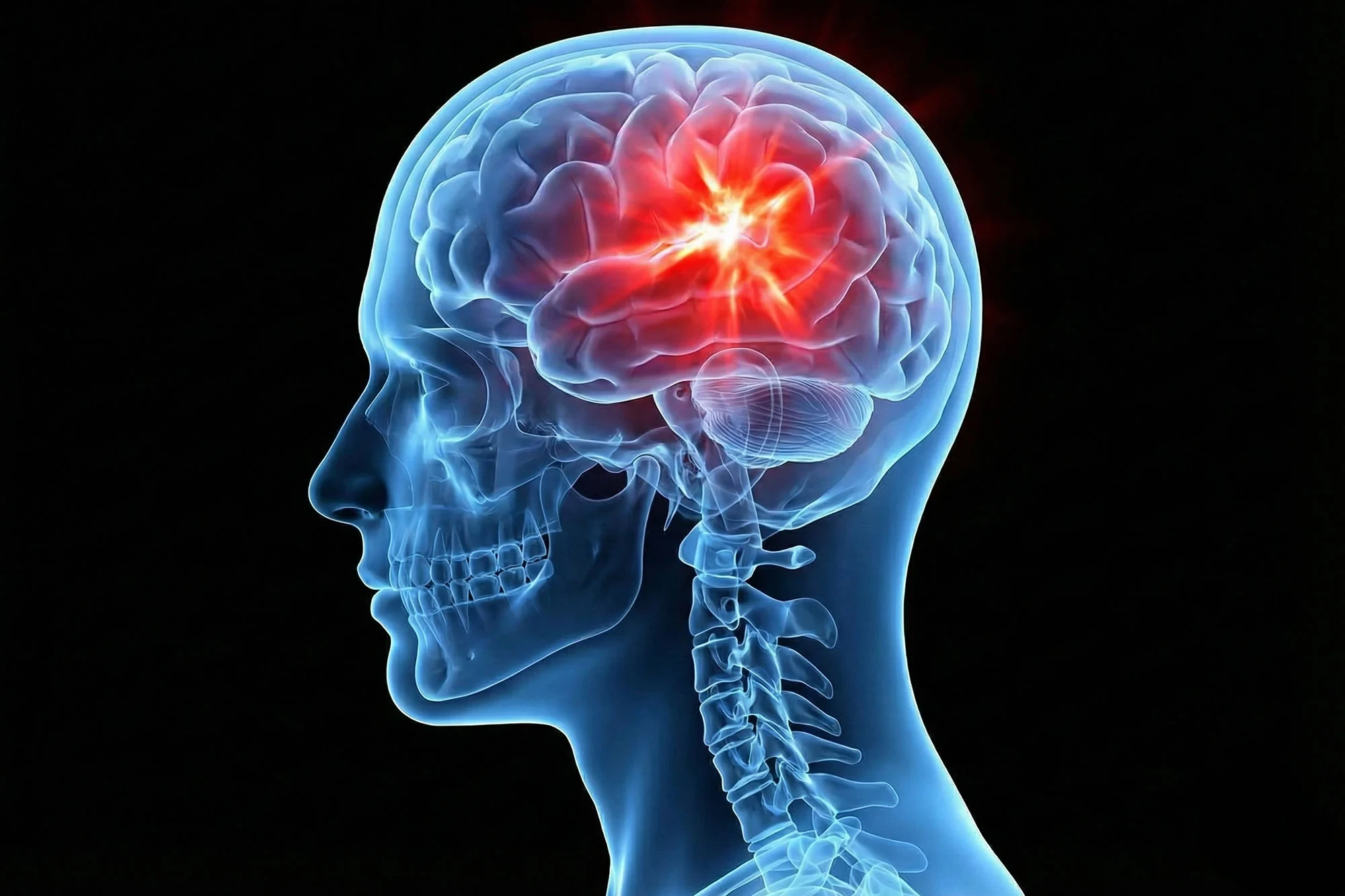
Traumatic Brain Injury
Same clinical topic · Neurology
Classification of the Epilepsies
Same clinical topic · Neurology
Neuroimaging Patterns of Intracranial Infections: Meningitis, Cerebritis, and Their Complications
Same clinical topic · Neurology
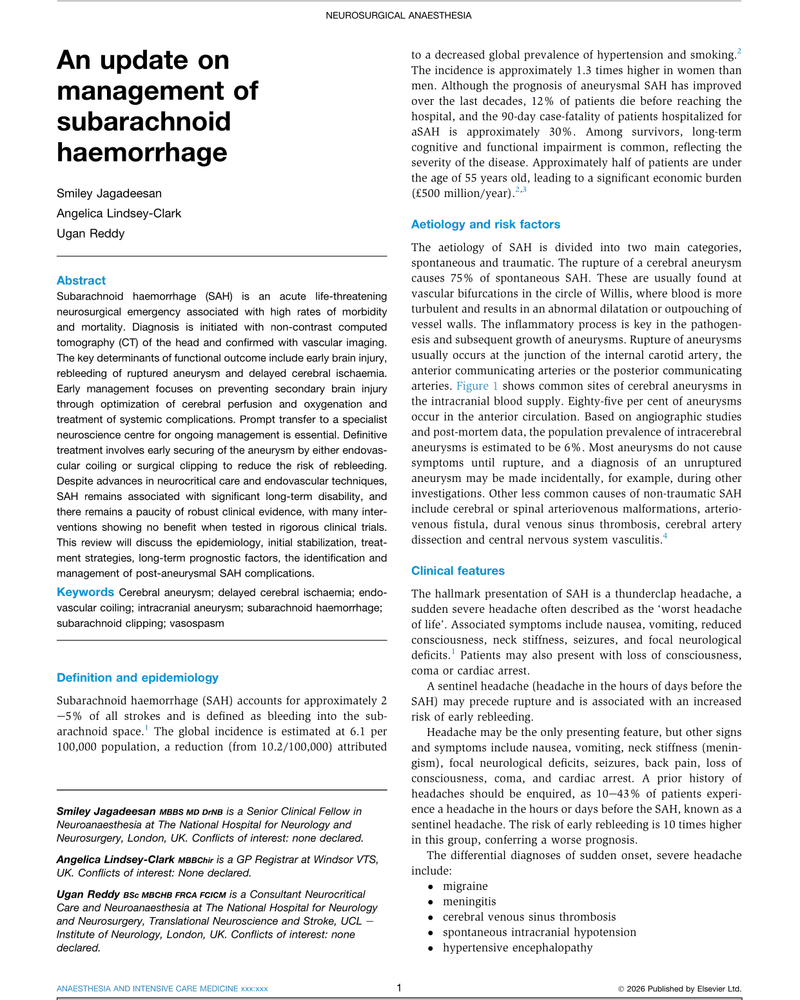
An update on management of subarachnoid haemorrhage
Same clinical topic · Neurology
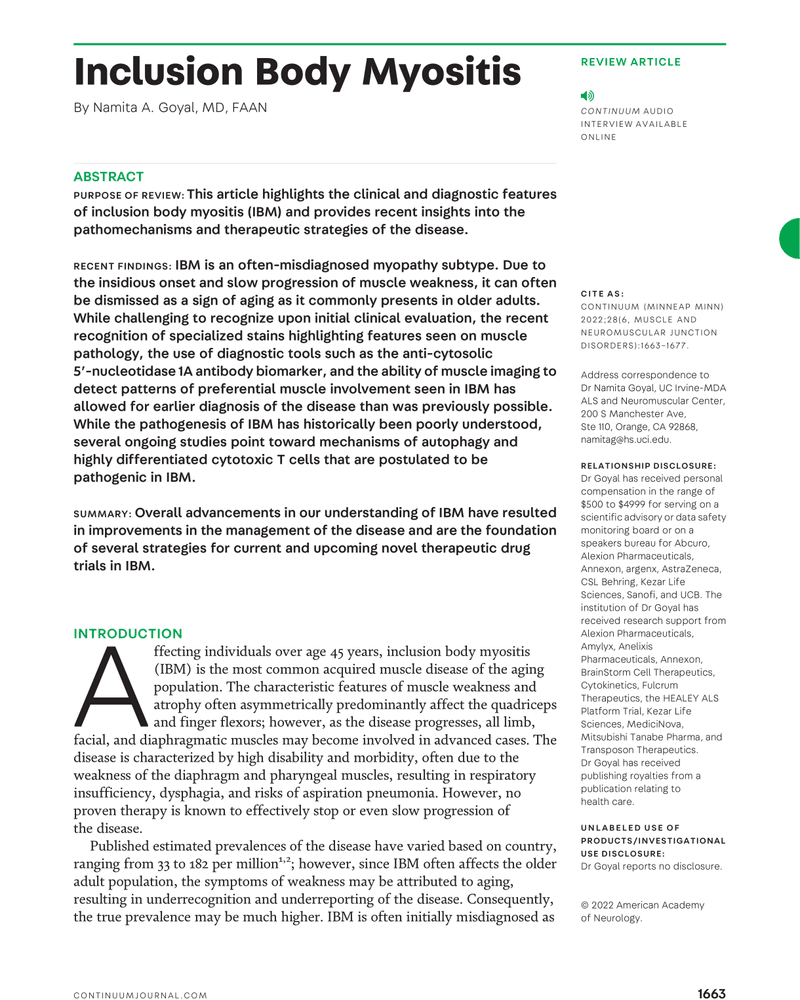
INCLUSION BODY MYOSITIS
Same clinical topic · Neurology
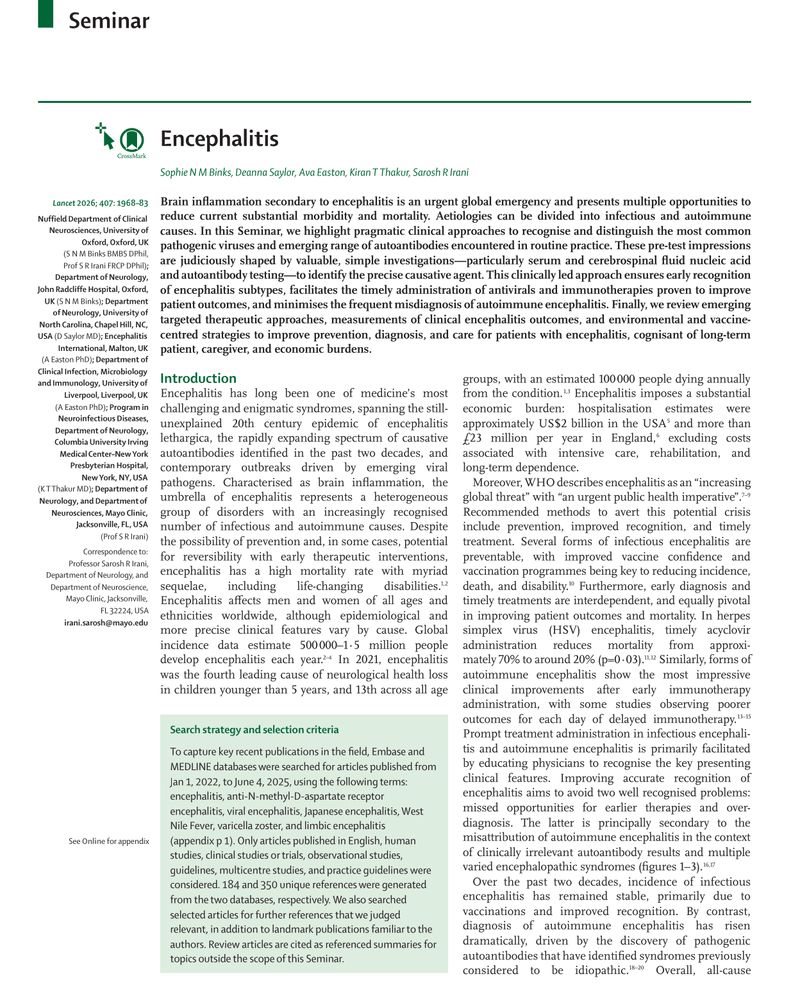
ENCEPHALITIS
Same clinical topic · Neurology
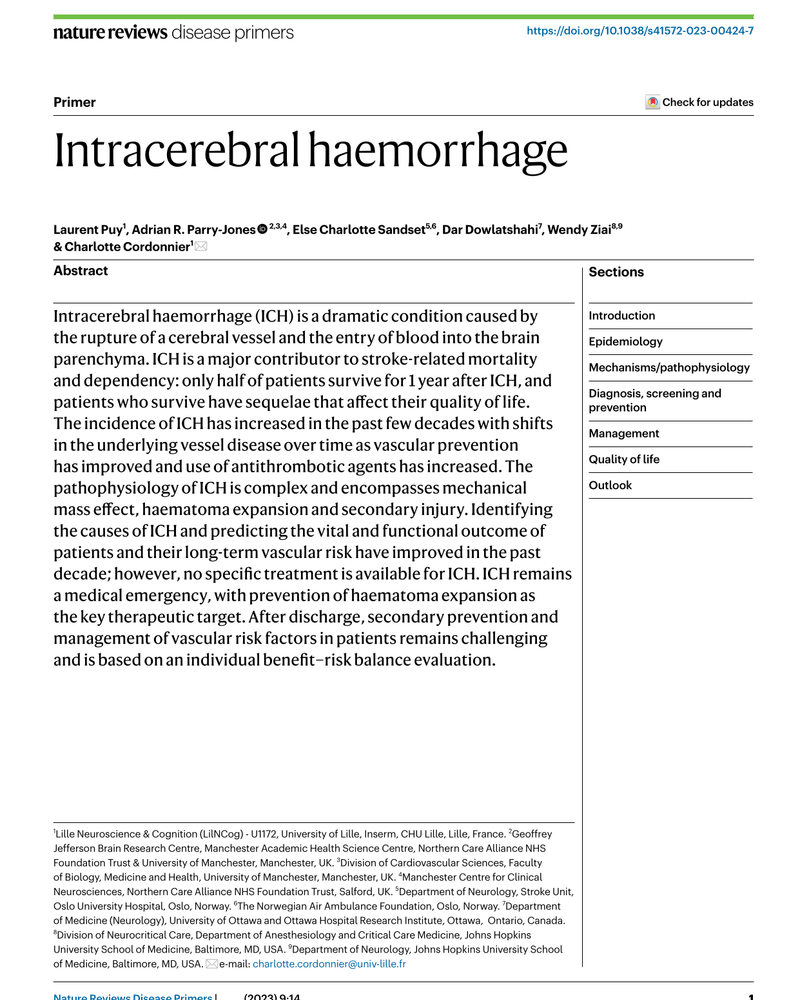
INTRACEREBRAL HAEMORRHAGE
Same clinical topic · Neurology
INCLUSION BODY MYOSITIS
Same clinical topic · Neurology
PREVENTION OF STROKE
Same clinical topic · Neurology