Please wait while we open this resource.


K

Clinical reviews
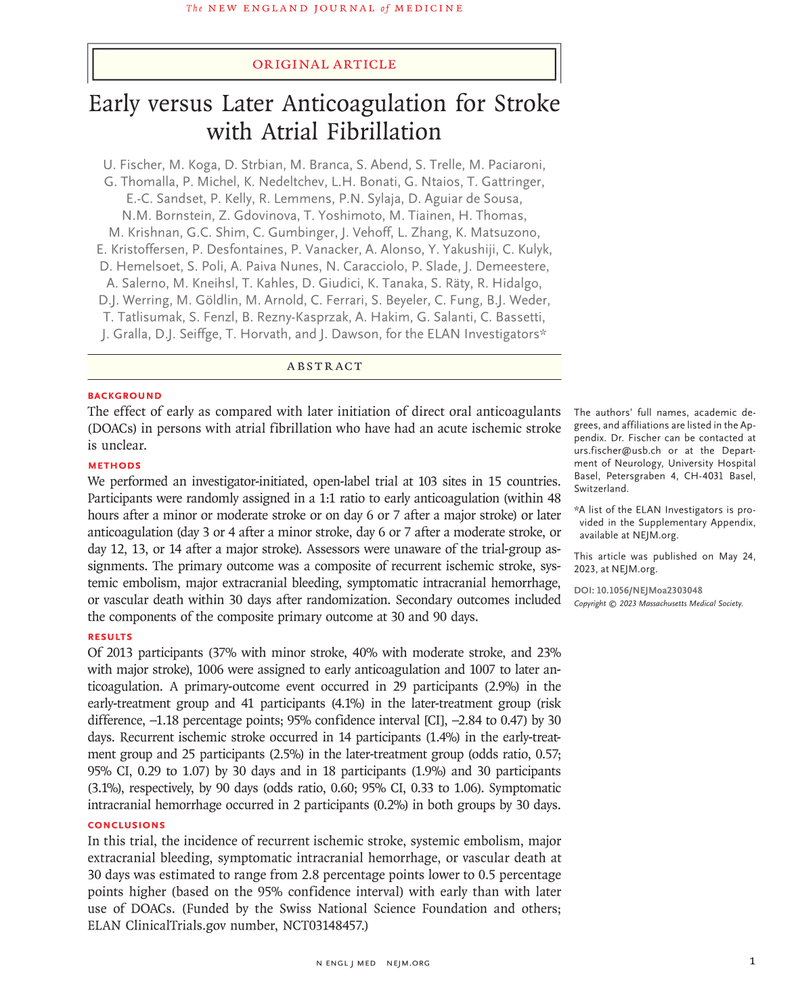
EARLY VERSUS LATER ANTICOAGULATION FOR STROKE WITH ATRIAL FIBRILLATION
University Hospital Basel, Switzerland
PDF202311 pages929 KB
The study is an investigator-initiated, open-label trial conducted at 103 sites across 15 countries. Participants were randomly assigned to receive anticoagulation either early (within 48 hours after a minor or moderate stroke) or later (day 3 or 4 after a minor stroke). The primary outcomes measured included the incidence of recurrent ischemic stroke, systemic embolism, major extracranial bleeding, and symptomatic intracranial hemorrhage. The findings aim to clarify the optimal timing for anticoagulation therapy in this patient population.
Sign in to open
Ask this resource
Answers use this document only.
Your first question is free.
More like this
Resources from the same specialty and type. Curated links will replace these when added.
Clinical Resources
Documents that extend or complement this resource.

Traumatic Brain Injury
Same clinical topic · Neurology
Classification of the Epilepsies
Same clinical topic · Neurology
Neuroimaging Patterns of Intracranial Infections: Meningitis, Cerebritis, and Their Complications
Same clinical topic · Neurology
An update on management of subarachnoid haemorrhage
Same clinical topic · Neurology
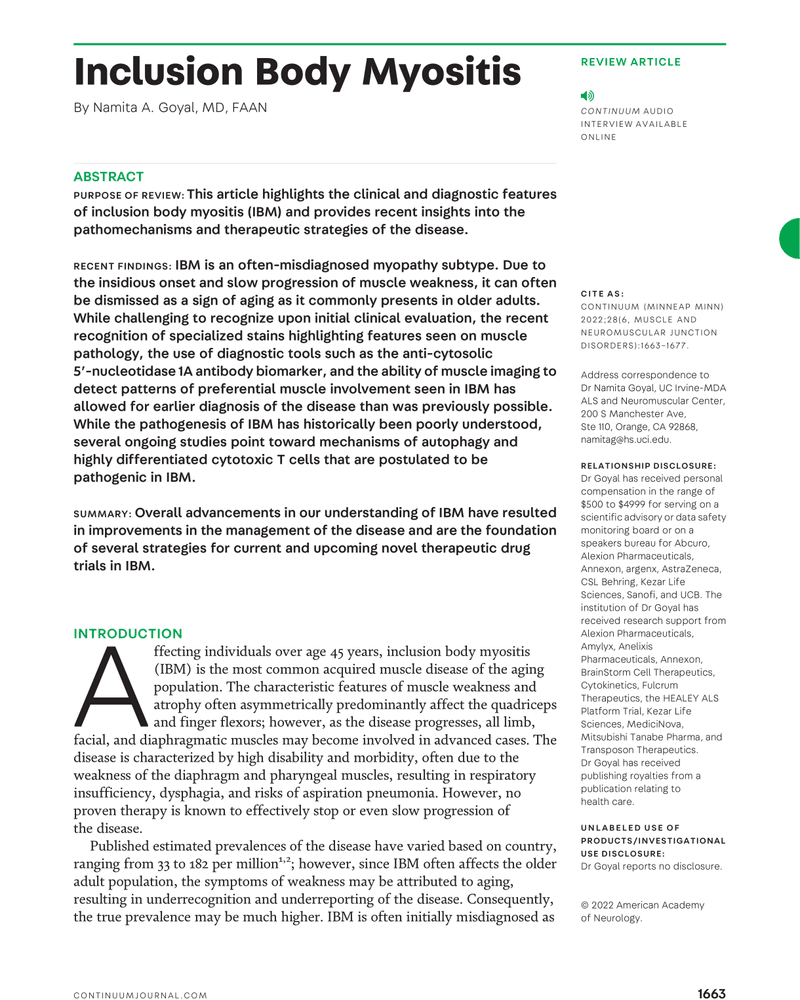
INCLUSION BODY MYOSITIS
Same clinical topic · Neurology
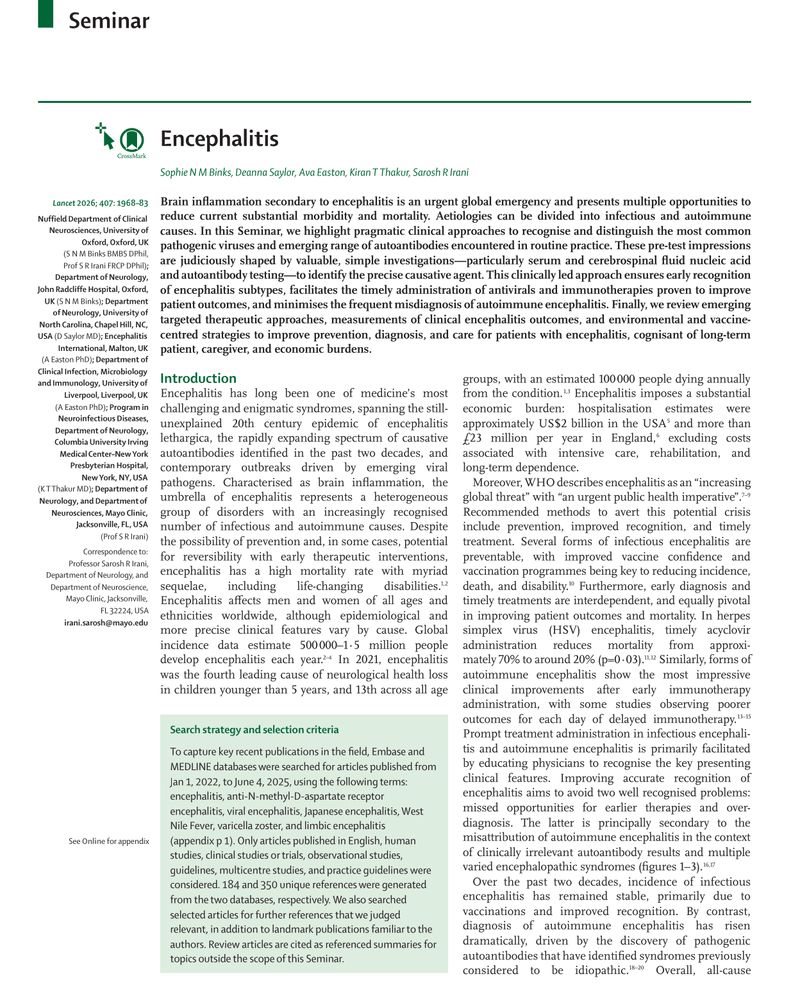
ENCEPHALITIS
Same clinical topic · Neurology
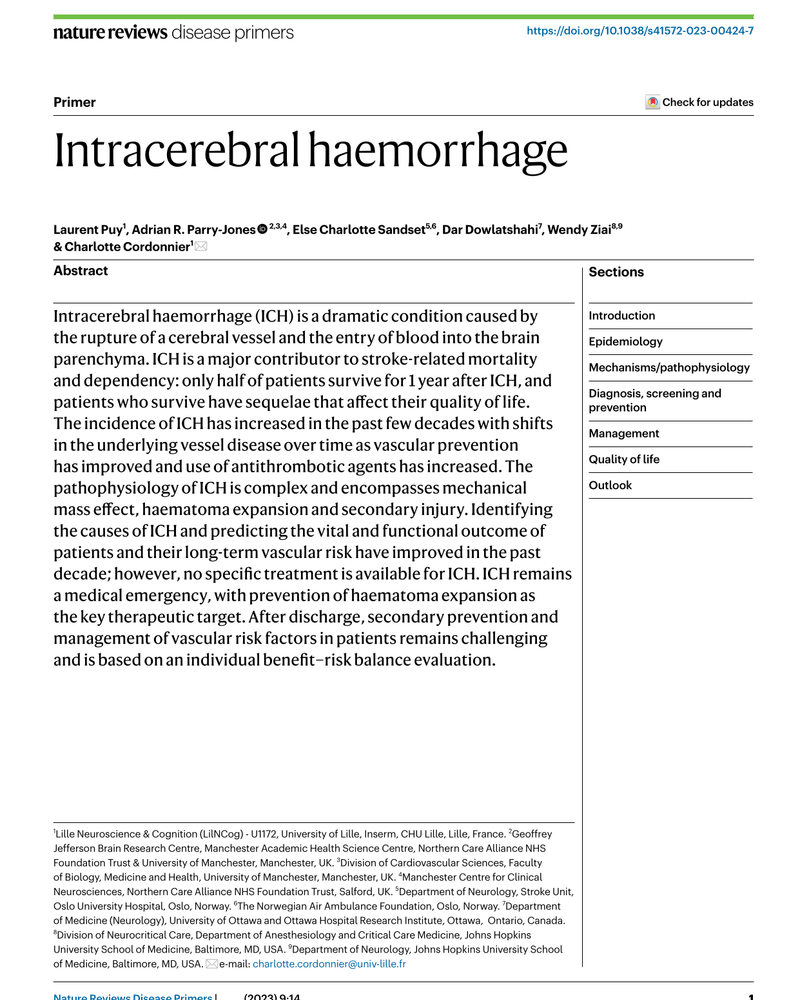
INTRACEREBRAL HAEMORRHAGE
Same clinical topic · Neurology
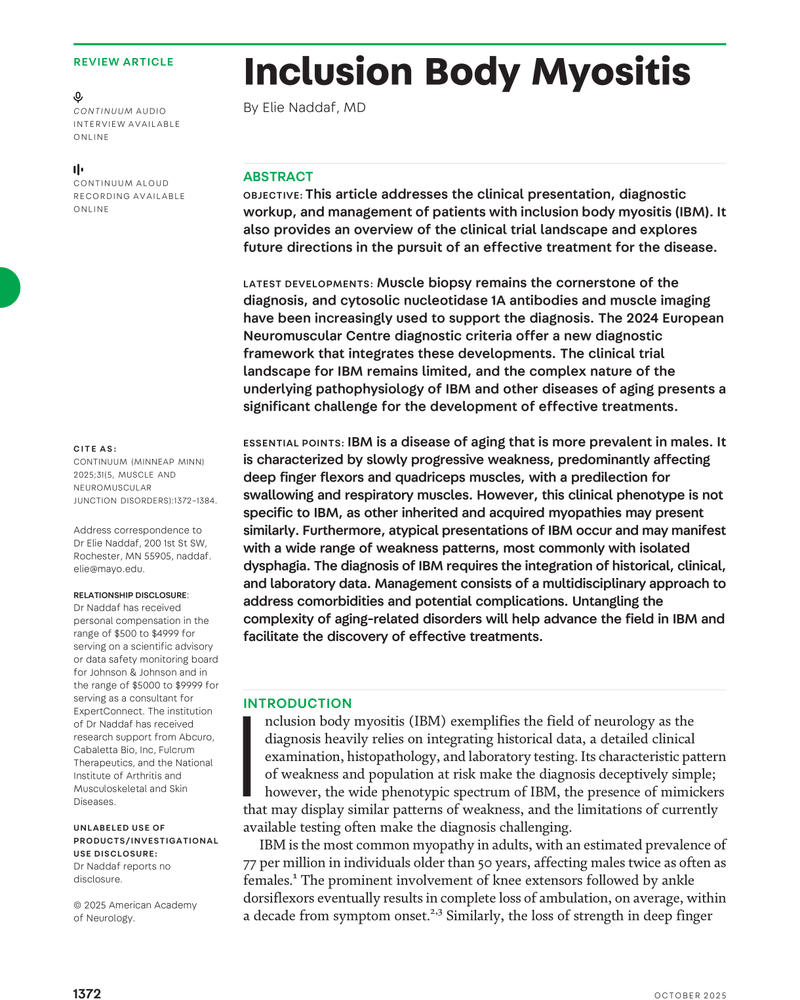
INCLUSION BODY MYOSITIS
Same clinical topic · Neurology
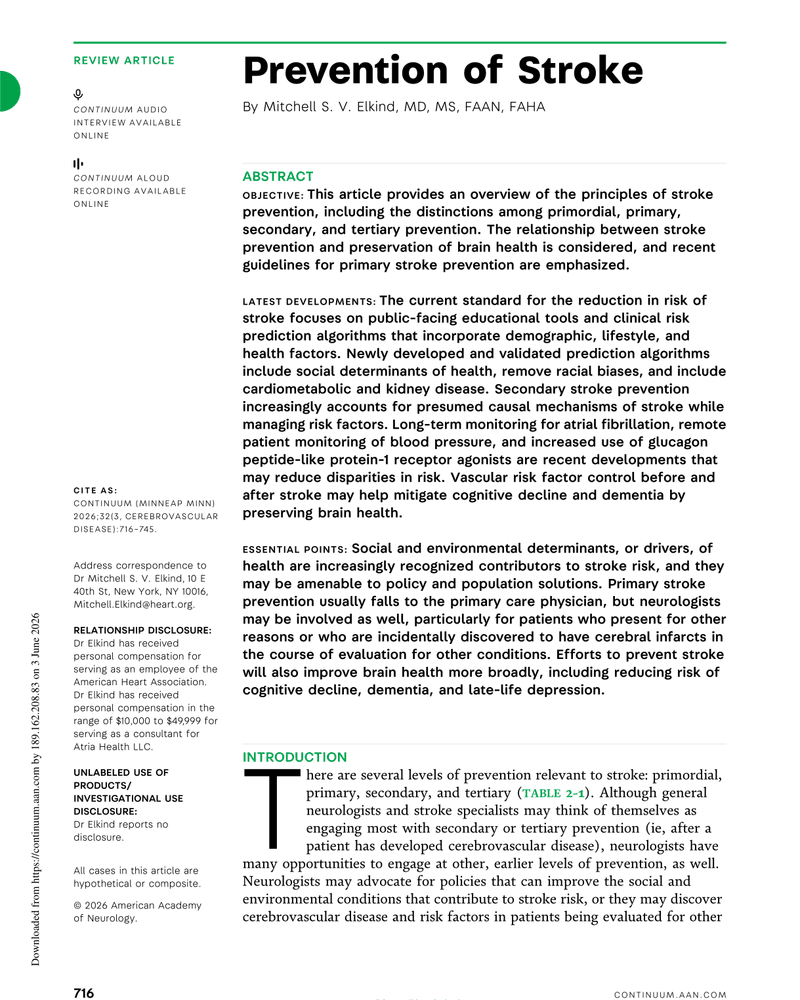
PREVENTION OF STROKE
Same clinical topic · Neurology