Please wait while we open this resource.


K

Clinical reviews
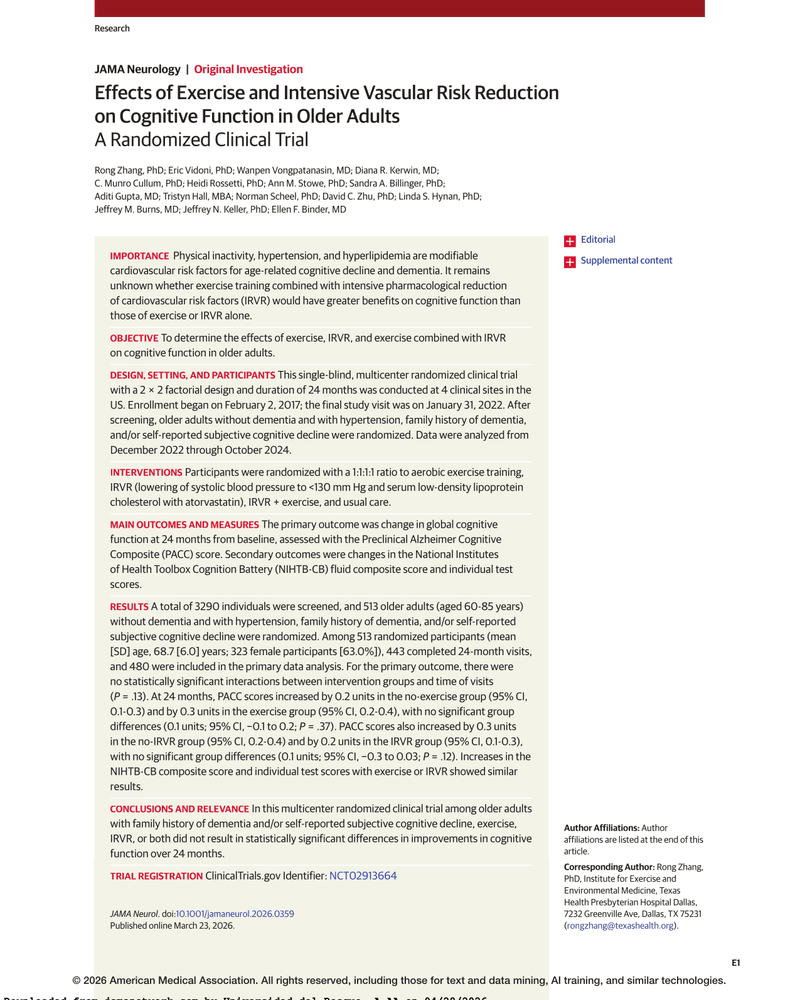
EFFECTS OF EXERCISE AND INTENSIVE VASCULAR RISK REDUCTION ON COGNITIVE FUNCTION IN OLDER ADULTS
Rong Zhang, PhD; Eric Vidoni, PhD; Wanpen Vongpatanasin, MD; Diana R. Kerwin, MD; C. Munro Cullum, PhD; Heidi Rossetti, PhD; Ann M. Stowe, PhD; Sandra A. Billinger, PhD; Aditi Gupta, MD; Tristyn Hall, MBA; Norman Scheel, PhD; David C. Zhu, PhD; Linda S.
PDF202611 pages467 KB
The study addresses the impact of modifiable cardiovascular risk factors, such as physical inactivity, hypertension, and hyperlipidemia, on age-related cognitive decline and dementia. It explores whether exercise training combined with intensive pharmacological reduction of these risk factors provides superior cognitive outcomes compared to either intervention alone. Conducted over 24 months at multiple clinical sites, the trial enrolled older adults without dementia but with risk factors for cognitive decline.
Sign in to open
Ask this resource
Answers use this document only.
Your first question is free.
More like this
Resources from the same specialty and type. Curated links will replace these when added.
Clinical Resources
Documents that extend or complement this resource.
Traumatic Brain Injury
Same clinical topic · Neurology
Classification of the Epilepsies
Same clinical topic · Neurology
Neuroimaging Patterns of Intracranial Infections: Meningitis, Cerebritis, and Their Complications
Same clinical topic · Neurology
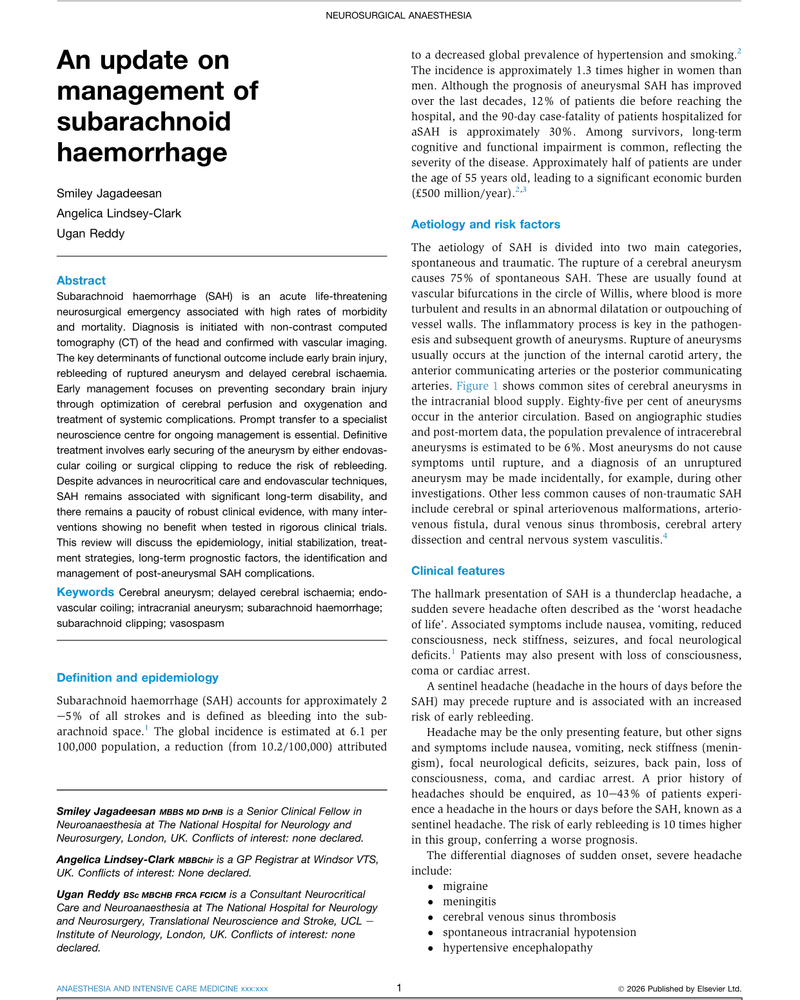
An update on management of subarachnoid haemorrhage
Same clinical topic · Neurology
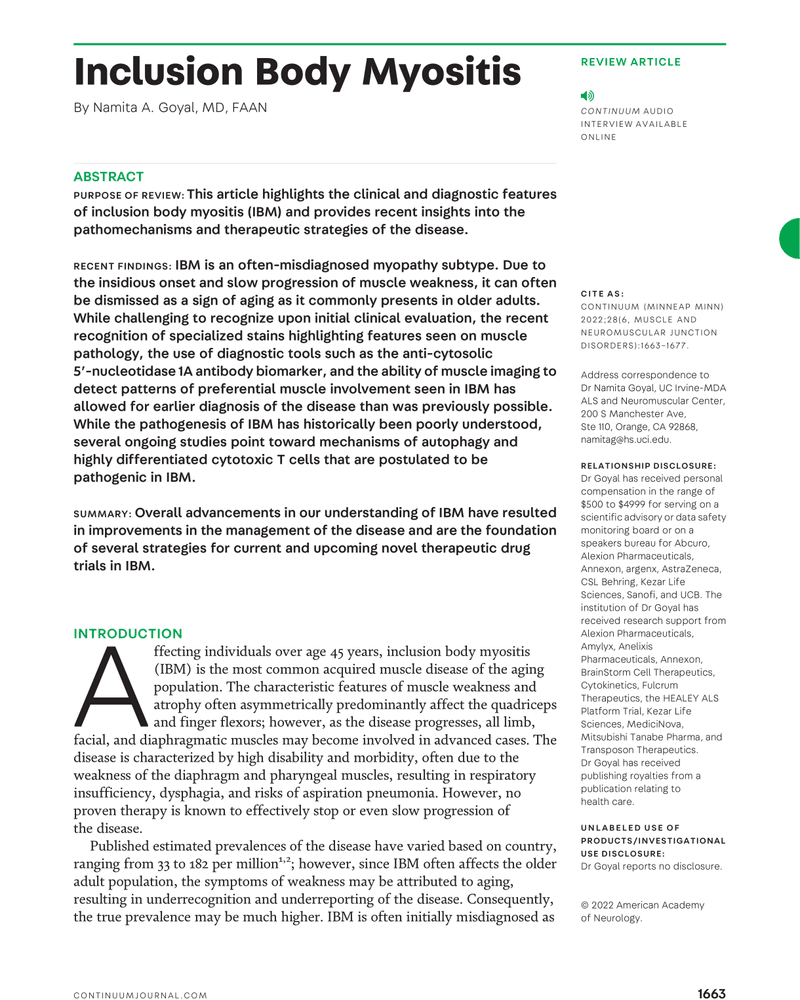
INCLUSION BODY MYOSITIS
Same clinical topic · Neurology
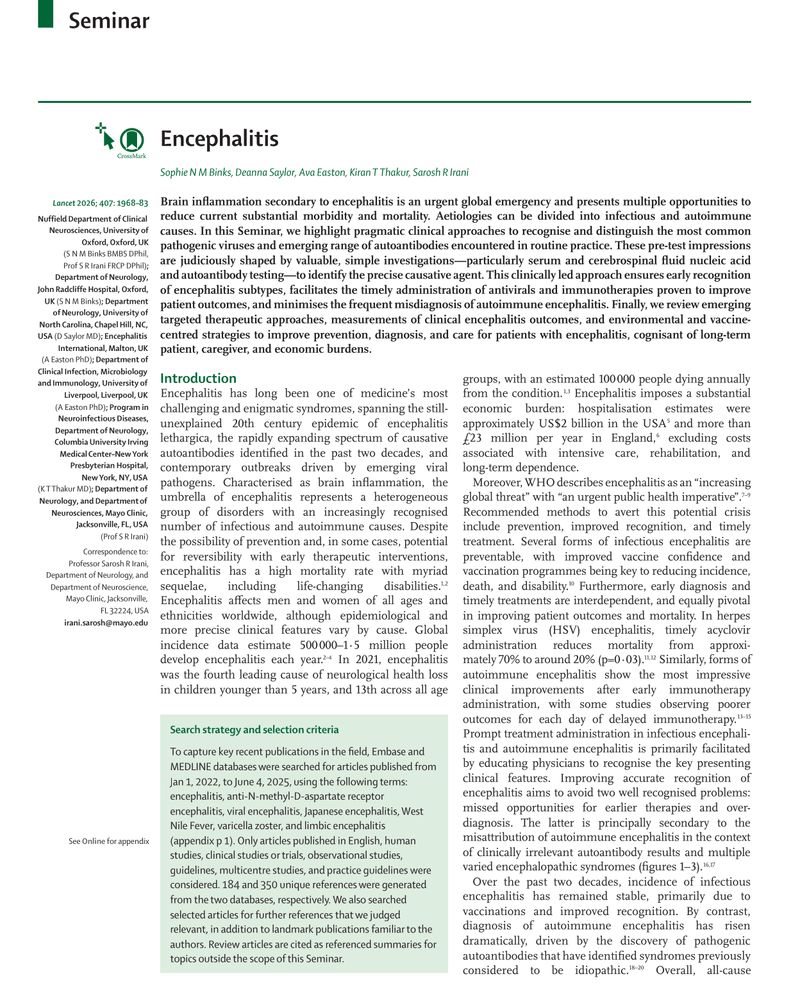
ENCEPHALITIS
Same clinical topic · Neurology
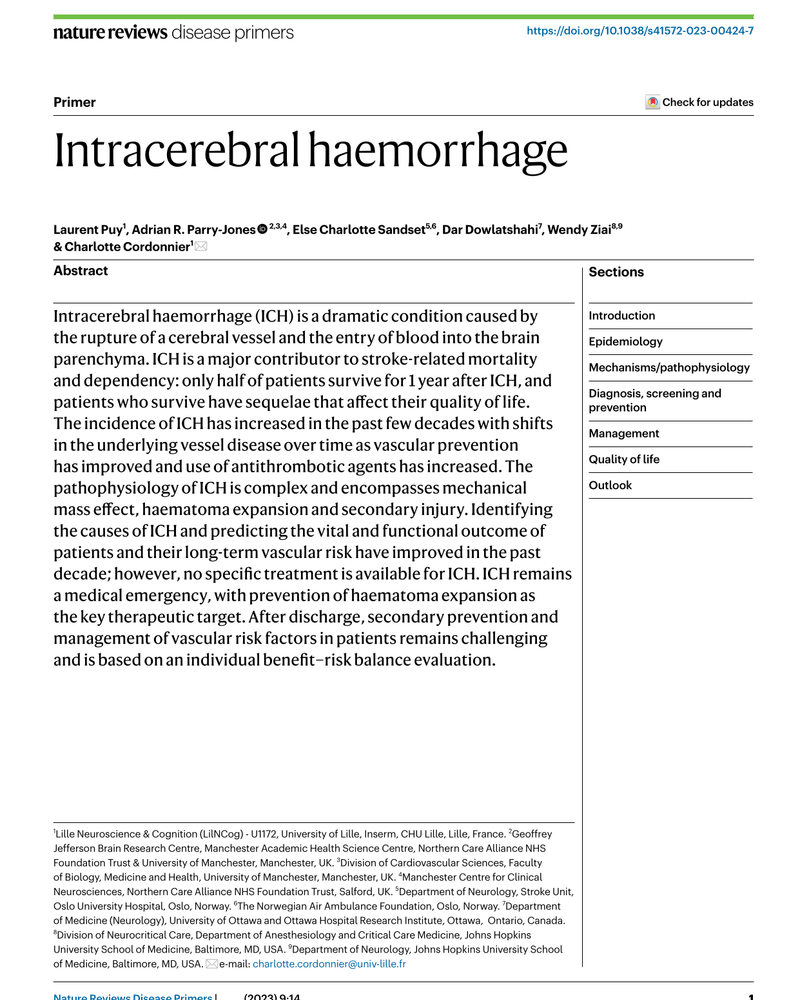
INTRACEREBRAL HAEMORRHAGE
Same clinical topic · Neurology
INCLUSION BODY MYOSITIS
Same clinical topic · Neurology
PREVENTION OF STROKE
Same clinical topic · Neurology