Please wait while we open this resource.


K

Clinical reviews
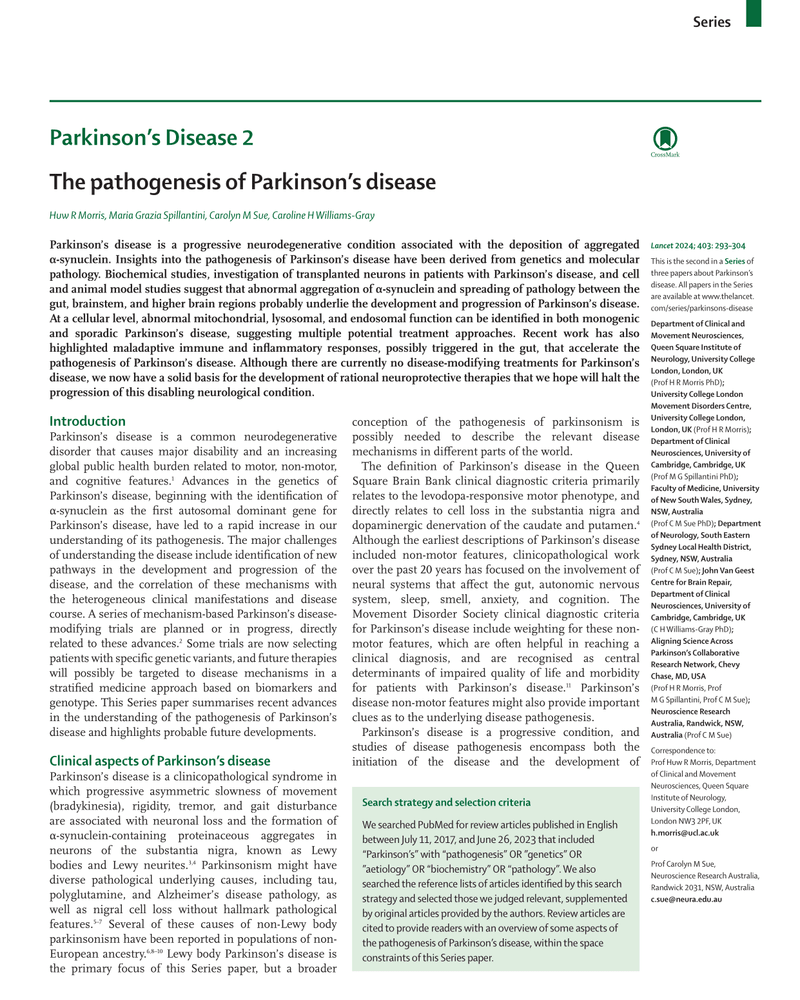
THE PATHOGENESIS OF PARKINSON'S DISEASE
Queen Square Institute of Neurology, University College London
PDF202412 pages1.9 MB
Parkinson's disease is characterized by the abnormal aggregation of α-synuclein and its spread across various brain regions. The document reviews biochemical studies and cellular dysfunctions, including mitochondrial and lysosomal abnormalities, that contribute to the disease's progression. It also emphasizes the importance of immune responses and the development of biomarkers for patient stratification in clinical trials. Despite the absence of disease-modifying treatments, the findings provide a foundation for future neuroprotective therapies.
Sign in to open
Ask this resource
Answers use this document only.
Your first question is free.
More like this
Resources from the same specialty and type. Curated links will replace these when added.
Clinical Resources
Documents that extend or complement this resource.

Traumatic Brain Injury
Same clinical topic · Neurology

Classification of the Epilepsies
Same clinical topic · Neurology
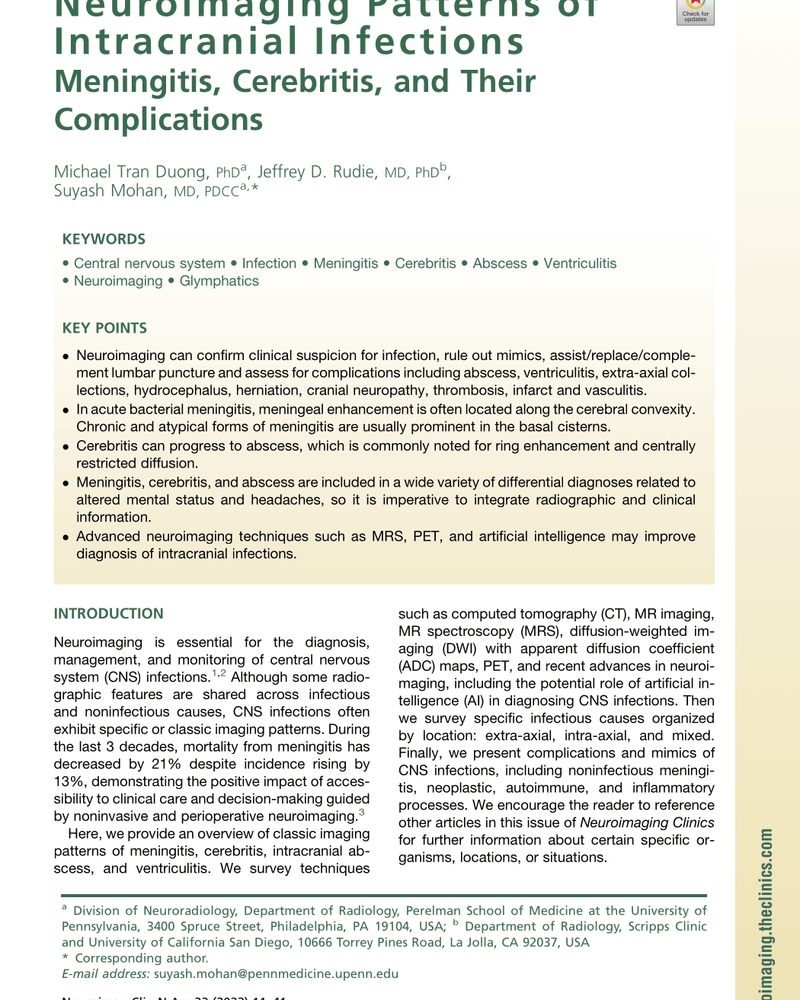
Neuroimaging Patterns of Intracranial Infections: Meningitis, Cerebritis, and Their Complications
Same clinical topic · Neurology
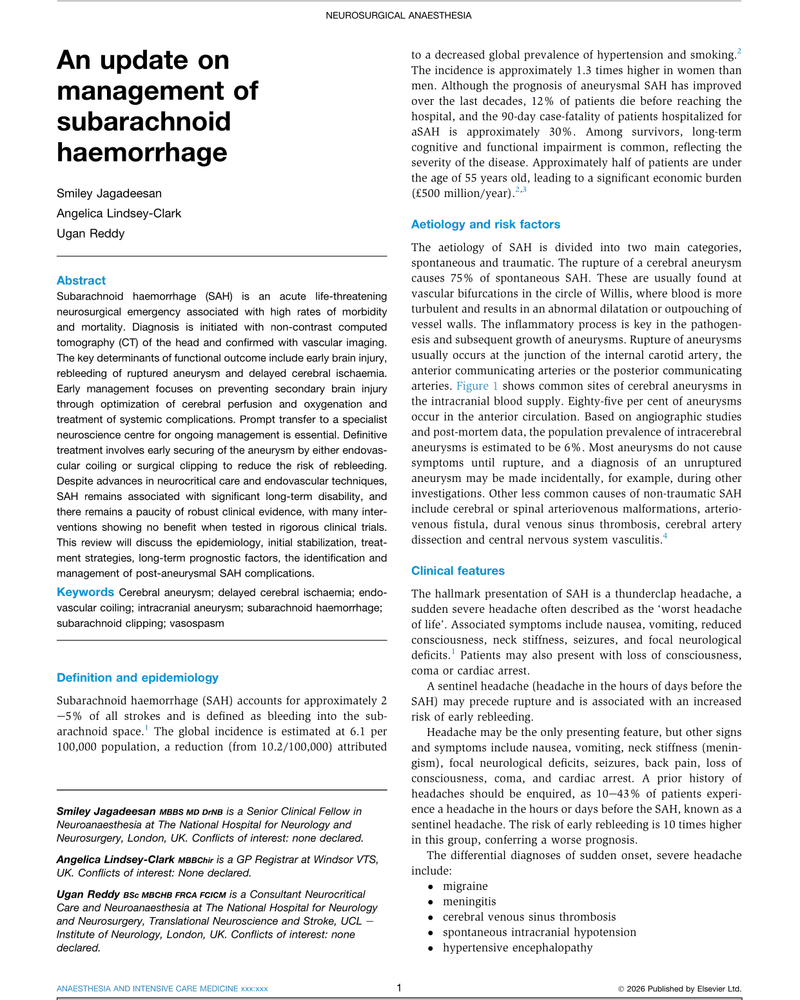
An update on management of subarachnoid haemorrhage
Same clinical topic · Neurology
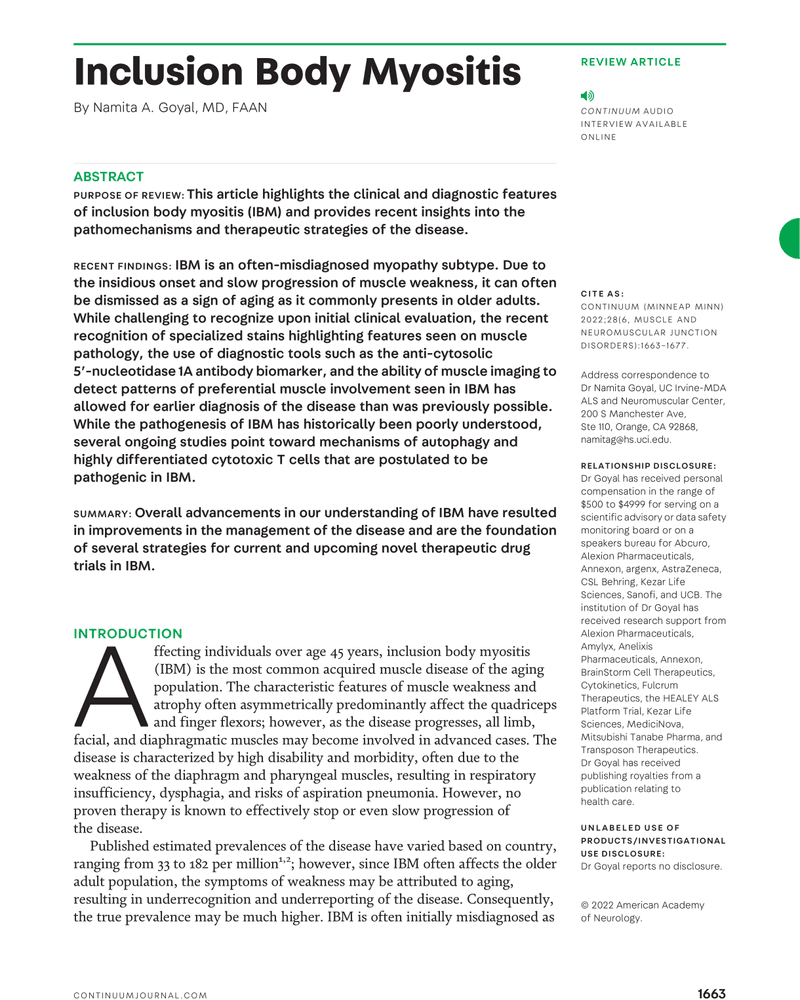
INCLUSION BODY MYOSITIS
Same clinical topic · Neurology
ENCEPHALITIS
Same clinical topic · Neurology
INTRACEREBRAL HAEMORRHAGE
Same clinical topic · Neurology
INCLUSION BODY MYOSITIS
Same clinical topic · Neurology
PREVENTION OF STROKE
Same clinical topic · Neurology